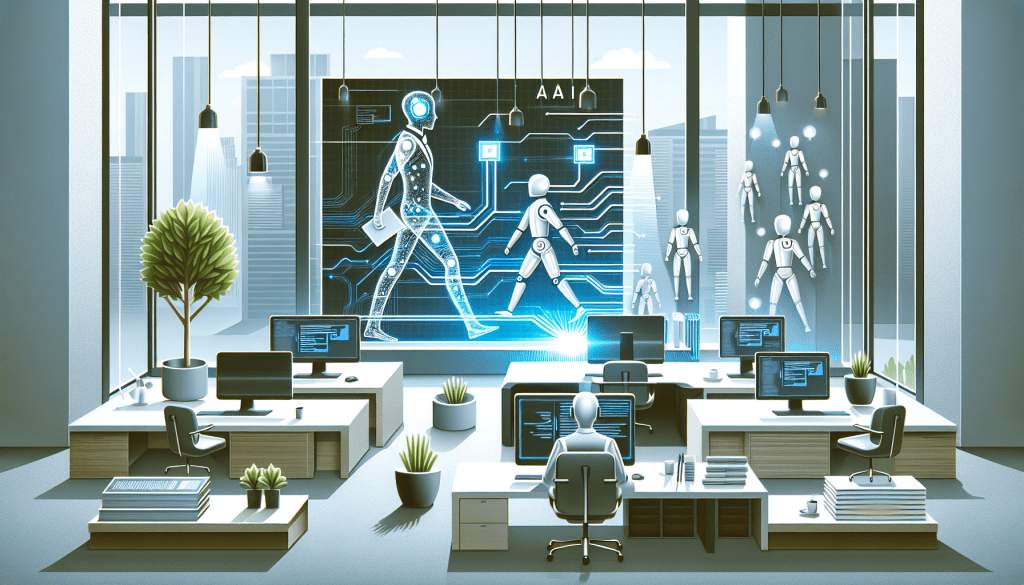
The Rise of Agentic AI: How Microsoft Copilot Cowork Is Transforming Digital Workers From Simple Chatbots to Autonomous Agents
The artificial intelligence landscape is experiencing a seismic shift. For years, we’ve interacted with AI through chatbots—helpful assistants that respond to our questions but require constant direction. Now, we’re entering the era of Agentic AI, where digital workers don’t just answer questions; they independently execute complex tasks, make decisions, and orchestrate entire workflows without human intervention.
Microsoft’s latest innovation, Copilot Cowork, represents this evolutionary leap forward. Announced as part of the company’s expanding AI ecosystem, Copilot Cowork introduces autonomous AI agents that function as true digital colleagues rather than passive tools. These agents don’t wait for instructions—they proactively complete multi-step tasks, coordinate with other systems, and deliver results while you focus on strategic work.
This transformation from chatbots to agents isn’t just a technological upgrade; it’s a fundamental reimagining of how we work alongside artificial intelligence. Let’s explore what this shift means for businesses, productivity, and the future of work itself.
[IMAGE_PLACEHOLDER – Featured image showing AI agents working alongside humans in a modern office environment]
Understanding Agentic AI: Beyond Conversational Interfaces
What Makes AI “Agentic”?
Agentic AI represents a paradigm shift from reactive to proactive artificial intelligence. Unlike traditional chatbots that operate within narrow conversational parameters, agentic systems possess autonomy, goal-oriented behavior, and the ability to take independent action.
Think of the difference this way: A chatbot is like an information desk clerk who answers questions when asked. An AI agent is like a personal assistant who understands your objectives, plans the steps needed to achieve them, and executes those steps across multiple platforms—all without requiring your constant supervision.
These AI digital workers leverage advanced reasoning capabilities, contextual understanding, and integration with enterprise systems to function as genuine productivity multipliers. They can break down complex requests into actionable tasks, navigate between applications, and adapt their approach based on outcomes.
The Technical Foundation of Agent Systems
The transition from chatbots to agents relies on several technological advancements. Modern agentic systems utilize large language models (LLMs) combined with orchestration frameworks that enable AI workflow execution across diverse environments.
Enterprise AI agents integrate with APIs, databases, and business applications to access information and take action. They employ reasoning chains that allow them to plan multi-step processes, evaluate results, and adjust their strategies accordingly.
This technical sophistication enables agents to handle tasks that previously required significant human oversight—from data analysis and report generation to customer service orchestration and supply chain management.
[IMAGE_PLACEHOLDER – Diagram illustrating the architecture of agentic AI systems]
Microsoft Copilot Cowork: The Next Generation of Digital Collaboration
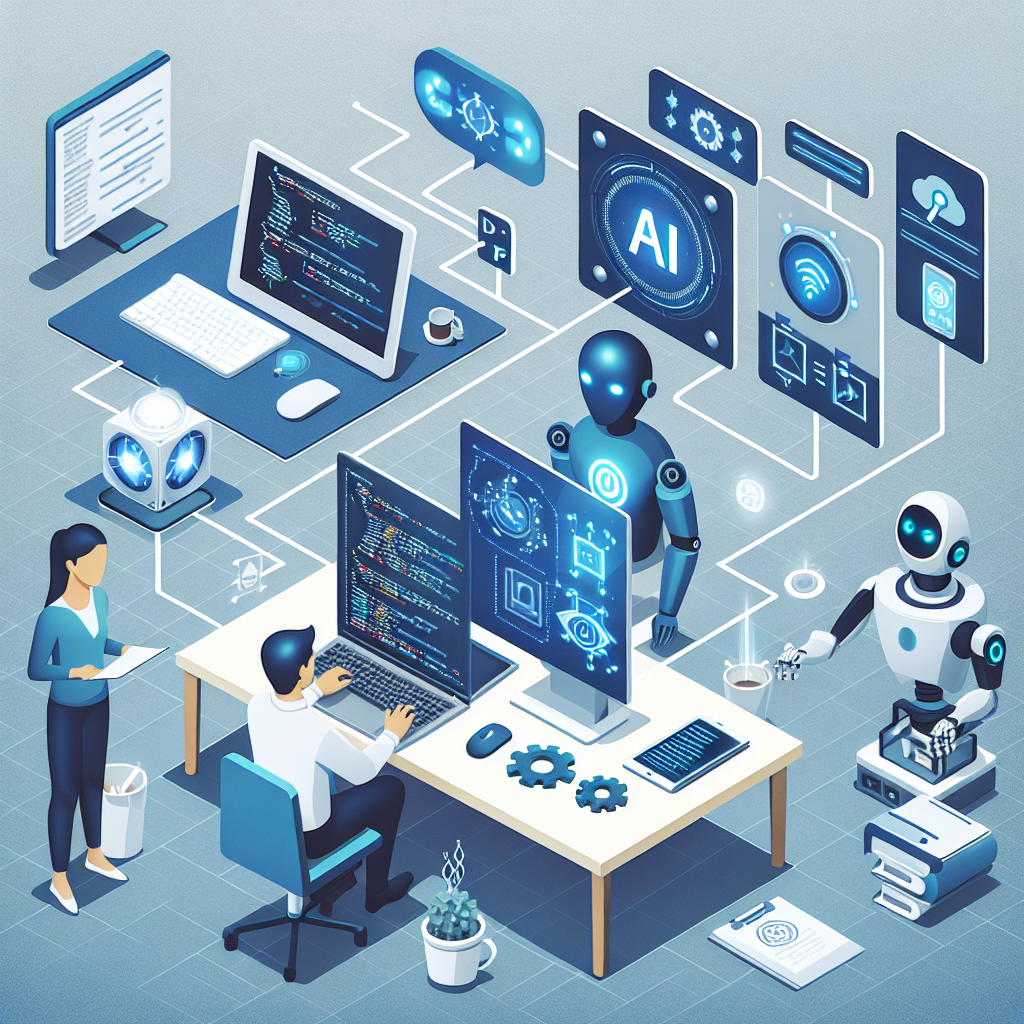
Key concept visualization
Introducing Copilot Cowork
Microsoft Copilot Cowork represents the company’s bold entry into the agentic AI space. Built on the foundation of Microsoft 365 Copilot, Cowork extends capabilities far beyond document assistance and email drafting.
Copilot Cowork introduces autonomous agents that can be deployed across an organization to handle specialized functions. These agents operate within the Microsoft ecosystem but can also integrate with third-party applications, creating a unified intelligence layer across your entire digital workplace.
What sets Copilot Cowork apart is its emphasis on collaboration—not just between humans, but between multiple AI agents working in concert. One agent might handle data gathering while another performs analysis, and a third generates reports, all coordinating seamlessly to complete complex projects.
Work IQ: The Intelligence Behind the Agents
At the heart of Copilot Cowork lies Work IQ, Microsoft’s proprietary system for understanding organizational context, workflows, and priorities. Work IQ enables agents to make intelligent decisions based on company-specific knowledge rather than generic responses.
Work IQ learns from your organization’s communication patterns, document repositories, project histories, and operational rhythms. This contextual intelligence allows Copilot Cowork agents to understand not just what needs to be done, but how your organization prefers to work.
The result is AI task automation that feels native to your business environment rather than like an external tool bolted onto existing processes. Agents understand your terminology, respect your workflows, and adapt to your company culture.
Key Capabilities of Copilot Cowork
Microsoft Copilot Cowork offers several breakthrough capabilities that distinguish it from previous AI assistants:
- Autonomous Task Execution: Agents can complete multi-step projects from initiation to delivery without human intervention
- Cross-Application Orchestration: Seamlessly work across Microsoft 365 apps, third-party tools, and enterprise systems
- Intelligent Prioritization: Understand urgency and importance to focus on high-value activities
- Collaborative Intelligence: Multiple agents can work together on complex initiatives
- Adaptive Learning: Improve performance based on feedback and organizational patterns
- Compliance and Security: Operate within established governance frameworks and permission structures
These capabilities transform how organizations approach productivity, moving from task-level assistance to strategic workflow optimization.
[IMAGE_PLACEHOLDER – Screenshot showing Copilot Cowork interface with multiple agents managing different tasks]
From Chatbots to Agents: Understanding the Evolutionary Leap
The Limitations of Traditional Chatbots
Traditional chatbots, despite their utility, operate within significant constraints. They excel at answering predefined questions and following scripted conversations but struggle with ambiguity, multi-step reasoning, and independent action.
When you ask a chatbot to “prepare for tomorrow’s client meeting,” it might provide general advice or search for relevant documents. An agentic system, however, would review the client’s history, compile relevant data, create a briefing document, identify potential discussion topics, and even suggest strategic recommendations—all without further prompting.
This difference between responding and acting represents the core distinction between chatbots and AI digital workers. Agents possess agency, the ability to make decisions and take action toward defined goals.
The Agent Advantage: Autonomy and Action
From chatbots to agents represents more than incremental improvement—it’s a category transformation. Agents operate with a degree of autonomy that fundamentally changes the human-AI relationship.
Consider a sales scenario: A chatbot might help you draft an email to a prospect. An agent would monitor the sales pipeline, identify opportunities requiring attention, research each prospect’s recent activities, draft personalized outreach, schedule follow-ups, and update your CRM—all based on your sales strategy and past successful patterns.
This level of autonomous operation frees knowledge workers from routine coordination and execution tasks, allowing them to focus on strategy, creativity, and relationship-building—the distinctly human contributions that drive business value.
Real-World Applications Across Industries
Enterprise AI agents are already demonstrating value across diverse sectors:
In Healthcare: Agents coordinate patient scheduling, manage medical records, ensure compliance documentation, and flag potential care gaps—allowing medical professionals to focus on patient care rather than administrative burdens.
In Financial Services: Agents monitor transactions for anomalies, prepare regulatory reports, conduct preliminary research on investment opportunities, and maintain client communication—enhancing both efficiency and compliance.
In Manufacturing: Agents optimize supply chains by monitoring inventory levels, predicting maintenance needs, coordinating logistics, and identifying production bottlenecks before they impact operations.
In Marketing: Agents analyze campaign performance, adjust targeting parameters, generate content variations, coordinate multi-channel initiatives, and provide strategic recommendations based on real-time data.
These applications demonstrate how AI workflow execution extends beyond individual tasks to encompass entire business processes.
[IMAGE_PLACEHOLDER – Infographic showing agentic AI applications across different industries]
Implementing Agentic AI: Strategic Considerations for Organizations
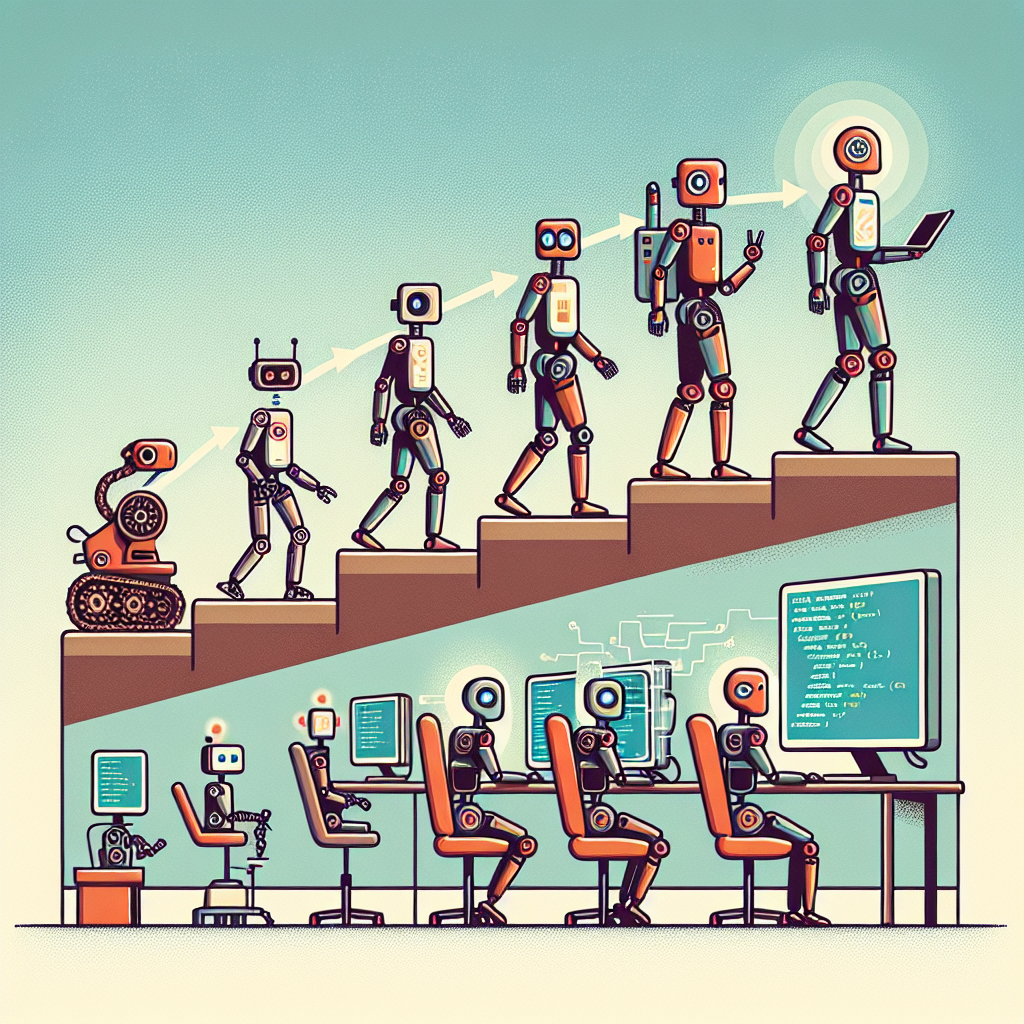
Process or workflow illustration
Assessing Organizational Readiness
Successfully deploying Agentic AI requires more than technological implementation—it demands organizational readiness. Companies must evaluate their data infrastructure, process documentation, and cultural openness to AI collaboration.
Start by identifying workflows that involve significant coordination overhead, repetitive decision-making, or multi-system data gathering. These represent prime opportunities for agent deployment where the return on investment will be most apparent.
Ensure your data is accessible, well-organized, and properly governed. Agents are only as effective as the information they can access and the permissions they’re granted within your systems.
Building Trust Through Transparency
One challenge in transitioning from chatbots to agents is the psychological shift required when AI systems take autonomous action. Building organizational trust requires transparency about what agents are doing and why.
Microsoft Copilot Cowork addresses this through audit trails, explanation capabilities, and human oversight options. Agents can document their decision-making process, allowing teams to understand and validate their actions.
Implement gradual autonomy expansion—start with agents that recommend actions for human approval, then progressively increase their independent authority as confidence grows. This measured approach helps teams adapt to AI collaboration without overwhelming existing workflows.
Integration With Existing Systems
The power of Enterprise AI agents lies in their ability to work across your entire technology ecosystem. Successful implementation requires thoughtful integration planning.
Microsoft’s approach with Copilot Cowork leverages existing Microsoft 365 Copilot infrastructure while extending connectivity to third-party applications through APIs and connectors. This architecture minimizes disruption while maximizing capability.
Prioritize integrations that unlock the greatest value—typically your CRM, project management platforms, communication tools, and data analytics systems. Each integration exponentially increases what agents can accomplish autonomously.
Measuring Success and ROI
Quantifying the impact of AI task automation requires metrics that capture both efficiency gains and qualitative improvements. Track time saved on routine tasks, but also measure improvements in decision quality, response times, and employee satisfaction.
Organizations deploying agentic AI typically see:
- 30-50% reduction in time spent on routine coordination tasks
- Faster response times to customer inquiries and internal requests
- Improved data quality through consistent processing and validation
- Enhanced employee satisfaction as workers focus on meaningful activities
- Better decision-making through comprehensive information synthesis
These benefits compound over time as agents learn organizational patterns and expand their capabilities.
[IMAGE_PLACEHOLDER – Chart showing productivity improvements from agentic AI implementation]
The Future of Work: Humans and Agents as Colleagues
Redefining Productivity in the Agent Era
The rise of Agentic AI is fundamentally redefining what productivity means. In the chatbot era, productivity meant getting answers faster. In the agent era, productivity means accomplishing objectives with minimal friction.
This shift elevates human workers from task executors to strategic directors. Rather than spending hours gathering data, coordinating schedules, and managing workflows, professionals can focus on interpretation, innovation, and relationship-building.
Work IQ and similar systems are creating a future where AI understands not just individual tasks but entire job functions, enabling digital workers to handle the operational aspects while humans focus on judgment, creativity, and strategy.
Ethical Considerations and Human Oversight
As AI systems gain autonomy, ethical considerations become paramount. Organizations must establish clear guidelines about when agents can act independently versus when human judgment is required.
Microsoft Copilot Cowork includes governance frameworks that allow organizations to define boundaries, approval requirements, and escalation protocols. These safeguards ensure agents enhance rather than replace human decision-making in critical situations.
Transparency, accountability, and human oversight remain essential principles. The goal isn’t to remove humans from processes but to elevate their role from routine execution to strategic guidance.
Preparing Your Workforce for Agent Collaboration
Successfully adopting AI digital workers requires workforce preparation. Employees need training not just on using agent systems but on effectively collaborating with autonomous AI.
This includes understanding what tasks to delegate to agents, how to provide effective guidance, how to interpret agent recommendations, and when to override automated decisions. These skills represent a new literacy for the modern workplace.
Organizations should invest in change management programs that help teams embrace rather than fear agent collaboration. Frame agents as productivity enhancers that free humans for more fulfilling work rather than as replacement threats.
Conclusion: Embracing the Agentic Revolution
The transition from chatbots to agents represents one of the most significant shifts in workplace technology since the introduction of personal computers. Microsoft Copilot Cowork and similar agentic systems are not incremental improvements—they’re transformative tools that fundamentally change how work gets done.
Agentic AI promises to eliminate the coordination overhead, routine decision-making, and multi-system navigation that consume so much of the modern knowledge worker’s day. By deploying Enterprise AI agents powered by systems like Work IQ, organizations can achieve unprecedented levels of efficiency while simultaneously improving employee satisfaction and strategic focus.
The question is no longer whether agentic AI will transform your industry—it’s whether your organization will be among the early adopters who gain competitive advantage or among the laggards struggling to catch up.
Take Action Today: Evaluate your organization’s readiness for agentic AI. Identify workflows that would benefit from autonomous execution. Explore how Microsoft 365 Copilot and Copilot Cowork could integrate with your existing systems. The future of work isn’t coming—it’s already here, and it’s time to embrace the agent revolution.
The rise of AI workflow execution through autonomous agents represents more than a technological advancement—it’s an opportunity to reimagine what’s possible when human creativity and strategic thinking combine with AI capability and tireless execution. Organizations that successfully navigate this transition will find themselves not just more productive, but more innovative, responsive, and competitive in an increasingly dynamic business environment.
The era of the digital worker has arrived. How will your organization harness its potential?

Leave a comment