You’ve got a website. Maybe you’ve even got a decent amount of traffic coming in. But your phone isn’t ringing and your inbox is quiet. Sound familiar?
Here’s the hard truth: most local business websites aren’t built to capture leads. They’re built to exist. There’s a big difference.
In this post I’m going to break down exactly what separates a website that generates enquiries on autopilot from one that just sits there looking pretty.
The Problem With Most Business Websites
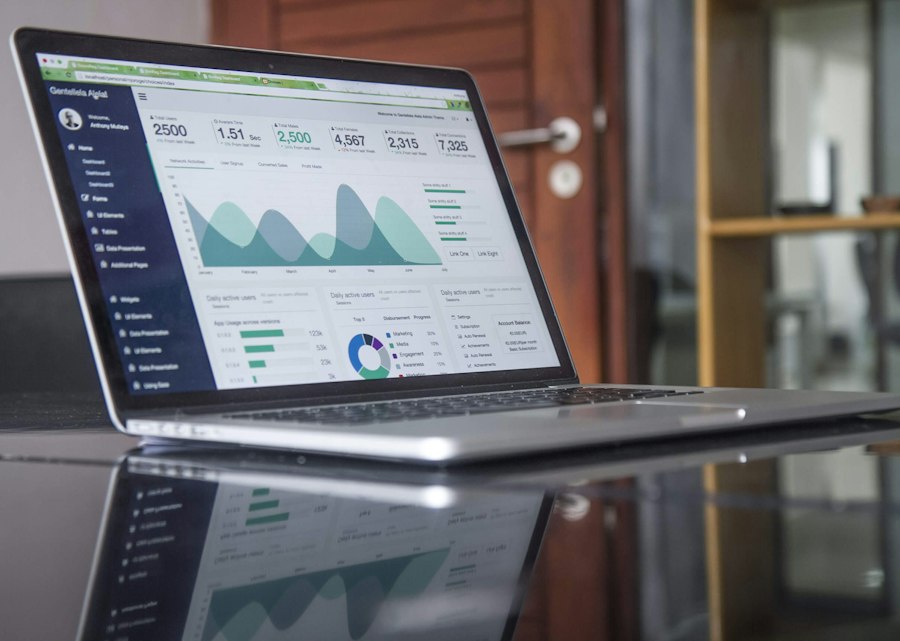
Most websites are basically online brochures. They tell people who you are, what you do, and maybe show a few photos. Then they throw a “Contact Us” page at the bottom and hope for the best.
That’s not a lead generation system. That’s a digital leaflet.
The average visitor spends less than a minute on a website before making a decision. If your site doesn’t grab their attention, build enough trust, and give them a clear next step within that window — they’re gone. Back to Google. On to your competitor.
What a High-Converting Website Actually Does
A site that properly captures leads does three things well:
1. It speaks directly to one person’s problem
Generic copy kills conversions. “Welcome to Smith & Sons Law Firm — serving clients since 1998” tells me nothing useful. Compare that to: “Had an accident that wasn’t your fault? We’ll tell you exactly where you stand — free, no obligation.”
One of those makes me want to keep reading. The other makes me close the tab. Know who you’re talking to. Know what keeps them up at night. Write for that person.
2. It has one clear call to action
Too many options = no decision. Your site should be guiding visitors toward a single primary action. Whether that’s booking a call, filling in a quote form, or grabbing a free guide — pick one thing and make it impossible to miss.
Stop burying your CTA at the bottom of a wall of text. Put it above the fold. Repeat it. Make the button copy specific — “Get My Free Quote” beats “Submit” every time.

3. It captures contact details before they leave
Most visitors aren’t ready to buy on their first visit. So if you’re not collecting their details, you lose them forever.
A simple lead magnet changes the game. A free guide, a checklist, a short video, a discount — something valuable enough that they’ll hand over their email address in exchange. Now you’ve got a way to follow up, nurture, and convert them later.
Funnels vs. Websites — What’s the Difference?
A funnel is a focused, stripped-back version of a website page. No navigation menu. No distractions. Just one message, one offer, one action.
Where a website serves multiple purposes, a funnel has one job: convert. For lead generation, a simple funnel looks like this:
- Landing page — headline that nails the problem, a few bullet points of benefits, a form or button
- Thank you page — confirms they’ve signed up, sets expectations, maybe offers something else
- Follow-up sequence — automated emails that build trust and move them toward a sale
That’s it. Nothing fancy. But a well-built funnel will outperform a standard website contact form almost every time because there’s zero friction and zero distraction.
The Fastest Wins for More Leads Right Now
If you’re not ready to build a full funnel from scratch, here’s where to start:
- Add a pop-up or slide-in form with a lead magnet offer on your highest-traffic pages
- Replace your generic contact page with a short qualifying form (name, email, what they need, best time to call)
- Put a sticky header bar on your site with your phone number and a “Book a Free Consultation” button
- Add a live chat or chatbot — even a simple one captures leads from visitors who won’t fill in a form
- Use a calendar booking tool like Calendly so visitors can schedule directly without the back-and-forth
Each of these is something you can implement this week without rebuilding your whole site.
What Happens After the Lead Comes In
Capturing the lead is step one. What happens next is where most businesses drop the ball.
Speed matters. Studies show that responding to a lead within five minutes makes you 21x more likely to qualify them compared to responding after 30 minutes. Most businesses take hours, or don’t follow up at all.
The fix? Automate your follow-up. The moment someone fills in your form, they should get an instant confirmation email or text. Then a sequence of follow-ups that keep you front of mind until they’re ready to buy or they tell you to stop.
This is where tools like CRM systems and AI automation come in — making sure every lead gets a fast, personalised response without you having to manually chase every single one.
Wrapping Up
Getting more leads from your website isn’t about flashy design or spending a fortune on ads. It’s about understanding what your visitors need, removing the friction, and giving them a clear reason to take the next step.
Start with one change. Test it. Then build from there.
If you want help setting this up for your business — whether that’s a properly optimised website, a lead capture funnel, or automated follow-up — get in touch and we’ll have a look at what you’ve got and where the gaps are.
Smart Process AI helps local service businesses generate and capture more leads through smarter automation and better-converting websites. Book a free strategy call to see what’s possible.

Leave a comment